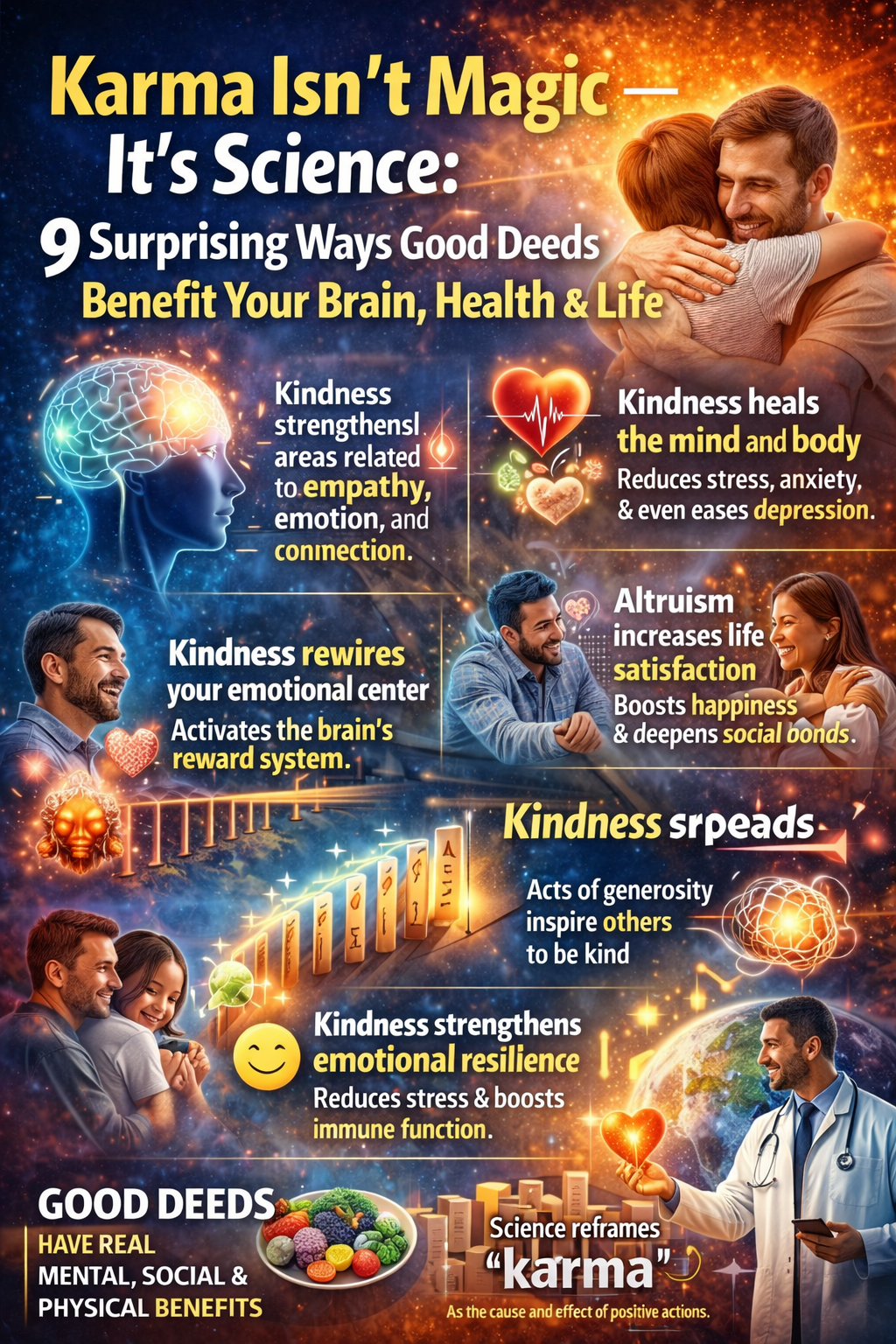
For centuries, people have argued whether karma is real or just a comforting myth. But when you strip karma down to its core, it stops being spiritual folklore and starts looking like something far more concrete: a universal feedback system.
Karma isn’t magic.
Karma isn’t punishment.
Karma is cause and effect—playing out over time, scale, and complexity.
And that’s exactly why karma is real.
What Karma Actually Is (And Why People Misunderstand It)
Most people imagine karma as instant justice:
Do something bad → something bad happens tomorrow.
That’s not how real systems work.
In reality, karma behaves like:
- Delayed consequences
- Compounding outcomes
- Network effects across people, time, and environments
In other words, karma functions exactly like feedback loops found in physics, economics, psychology, and biology.
The confusion comes from expecting karma to be immediate, when it’s actually inevitable.
Karma Is Real Because Feedback Loops Are Real
Every complex system has feedback loops:
- Markets correct excess
- Bodies respond to habits
- Relationships reflect behavior
- Reputations compound over time
Karma operates the same way.
Your actions don’t disappear.
They enter the system.
And systems always respond.
Positive inputs reinforce stability.
Negative inputs increase entropy.
This isn’t belief—it’s how systems self-regulate.
Why Bad Actions Sometimes “Go Unpunished” (At First)
One of the biggest arguments against karma is this question:
“If karma is real, why do bad people sometimes succeed?”
The answer is simple: lag time.
In every system:
- Short-term gains can mask long-term collapse
- Exploitation creates delayed instability
- Unsustainable behavior looks profitable—until it isn’t
Karma doesn’t work on your schedule.
It works on the system’s.
Eventually, shortcuts create fragility.
Eventually, dishonesty erodes trust.
Eventually, imbalance corrects.
That correction is karma.
Psychology Proves Karma Is Real in Daily Life
On a human level, karma shows up through psychology:
- People who lie often must remember lies
- People who exploit others build anxiety and paranoia
- People who help others build social capital
- People who act with integrity reduce internal conflict
Your brain tracks consistency.
When actions and values align, stress decreases.
When they don’t, cognitive dissonance grows.
Over time, that internal imbalance affects decisions, health, relationships, and outcomes.
Karma doesn’t need an external judge.
Your nervous system already keeps score.
Karma Is Real Because Energy Never Vanishes
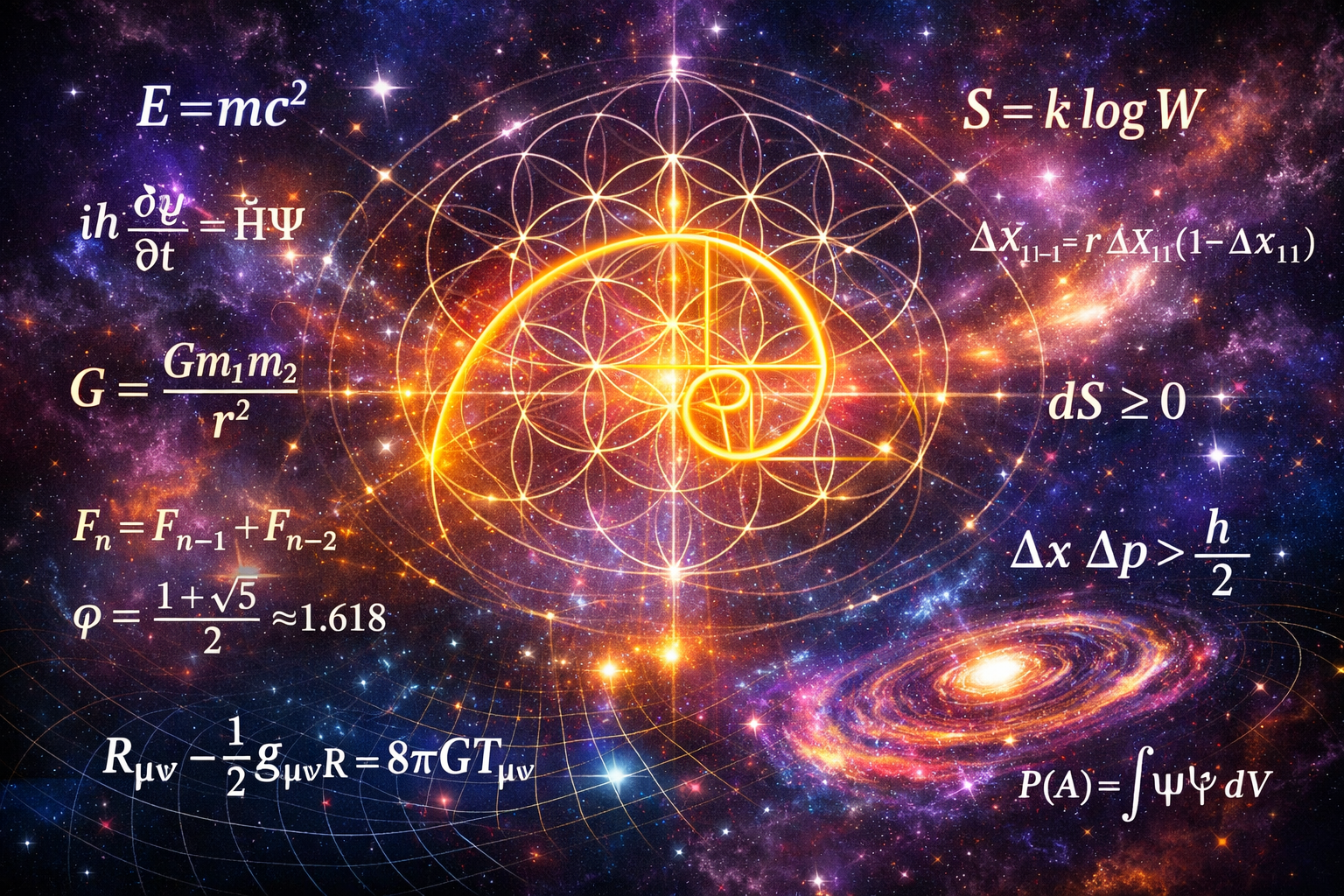
In physics, energy doesn’t disappear—it transforms.
The same is true for human behavior:
- Intent becomes action
- Action becomes pattern
- Pattern becomes identity
- Identity shapes future choices
Nothing is isolated.
Even when no one is watching, behavior trains the system you live inside—including yourself.
That’s why karma isn’t about morality.
It’s about momentum.
The Quiet Truth About Karma Most People Miss
Karma isn’t revenge.
Karma isn’t reward.
Karma is alignment.
When actions align with reality, systems stabilize.
When actions fight reality, systems correct.
You don’t escape karma.
You participate in it—constantly.
So… Is Karma Real?
Yes.
Not because the universe keeps a scorecard—but because systems remember.
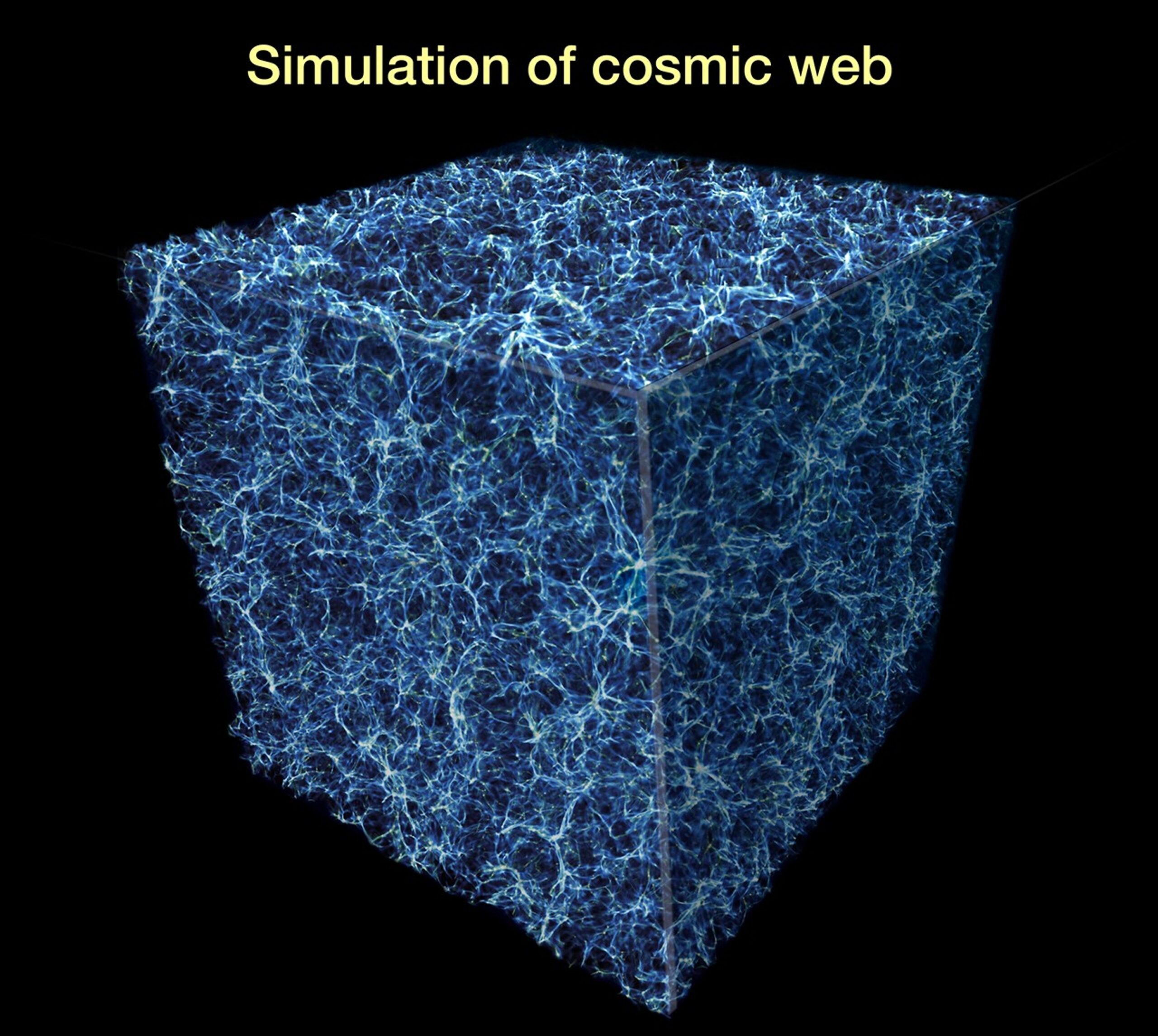
Every choice enters a web of cause and effect.
Every action leaves a trace.
Every pattern eventually meets its consequence.
✨ Karma is not instant.
✨ Karma is not emotional.
✨ Karma is real.