Everyone’s seen social posts claiming “good vibes bring good fortune” or “what goes around comes around”, but 2026 science is showing something deeper: it’s not just a spiritual saying — acts of kindness produce real mental, social, and even neurological benefits. Here’s what the latest research says about how kindness, altruism, and karma-like behavior transforms your life and your brain.
🧠 1. Doing good literally reshapes your brain
Recent MRI studies suggest that practicing compassion and altruism strengthens neural pathways tied to emotional regulation, empathy, and social cognition — meaning your brain learns to be kind over time.
💓 2. Kindness heals the mind and body
Researchers have found that regular acts of kindness can reduce stress, anxiety, and even symptoms of depression — sometimes more effectively than other interventions — because helping others focuses attention outward and diminishes negative self-talk.
✨ 3. Feeling “good karma” might not be about cosmic justice — but about psychology
Studies show people are more likely to think they’ve earned good things through their own good actions, while thinking bad luck for others must be karmic punishment — revealing how beliefs about karma are shaped by bias, not mysticism.
😌 4. Kindness rewires your emotional center
Practicing compassion consistently activates reward systems in the brain — similar to pleasurable activities like music or food — which suggests kindness isn’t just morally good, it feels good biologically.
🤗 5. Altruism increases life satisfaction
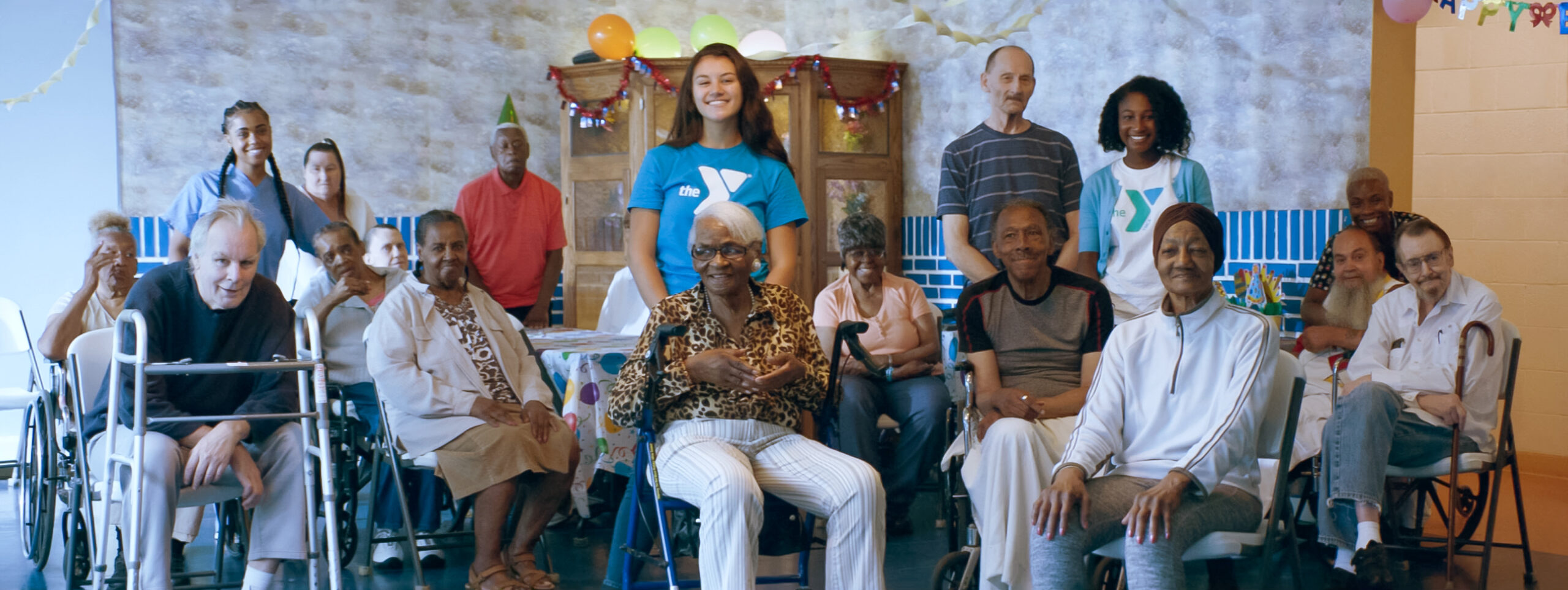
People who regularly help others tend to report more happiness, less depression, and deeper social connectedness — benefits that are durable and long-lasting, not fleeting.
⚡ 6. Kindness spreads — not just vibes, but behaviors
Acts of generosity have been shown to inspire others to be kind too. This ripple effect means one good deed doesn’t just help one person — it can trigger kindness in many.
💥 7. Why “karma” feels real even if it’s not supernatural
Research suggests people’s belief in karmic justice — that bad deeds bring bad outcomes — is tied to a psychological need for a fair world, not evidence of cosmic payoff systems. This explains why people perceive karma differently for themselves vs. others.
🧠 8. Kindness strengthens emotional resilience
Acts of support and care reduce stress, improve immune function, and even help with sleep quality — a definite real-world benefit that looks like “good karma” in action.
🌍 9. The science of kindness is changing how we define karma
Modern psychology frames karma not as supernatural law, but as cause and effect in human behavior: good actions foster connection, health, emotional resilience, and social cooperation. That’s the real payoff — and it’s measurable.
📌 Conclusion
Whether you call it karma, psychology, or neuroscience, doing good is good for you — and for the world. The science now explains why “what goes around comes around” feels real: kindness produces real biological, emotional, and social effects that enrich your life.
👉 Want more science-backed happiness tips? Share this post — and start your own ripple of good karma today.